Compare Toku/Toku vs Bitwage
Toku vs Bitwage: which platform actually employs your team?
Both pay workers in stablecoins. Only one becomes the legal employer. Since Paystand acquired Bitwage in April 2026, that is the difference that decides the shortlist.
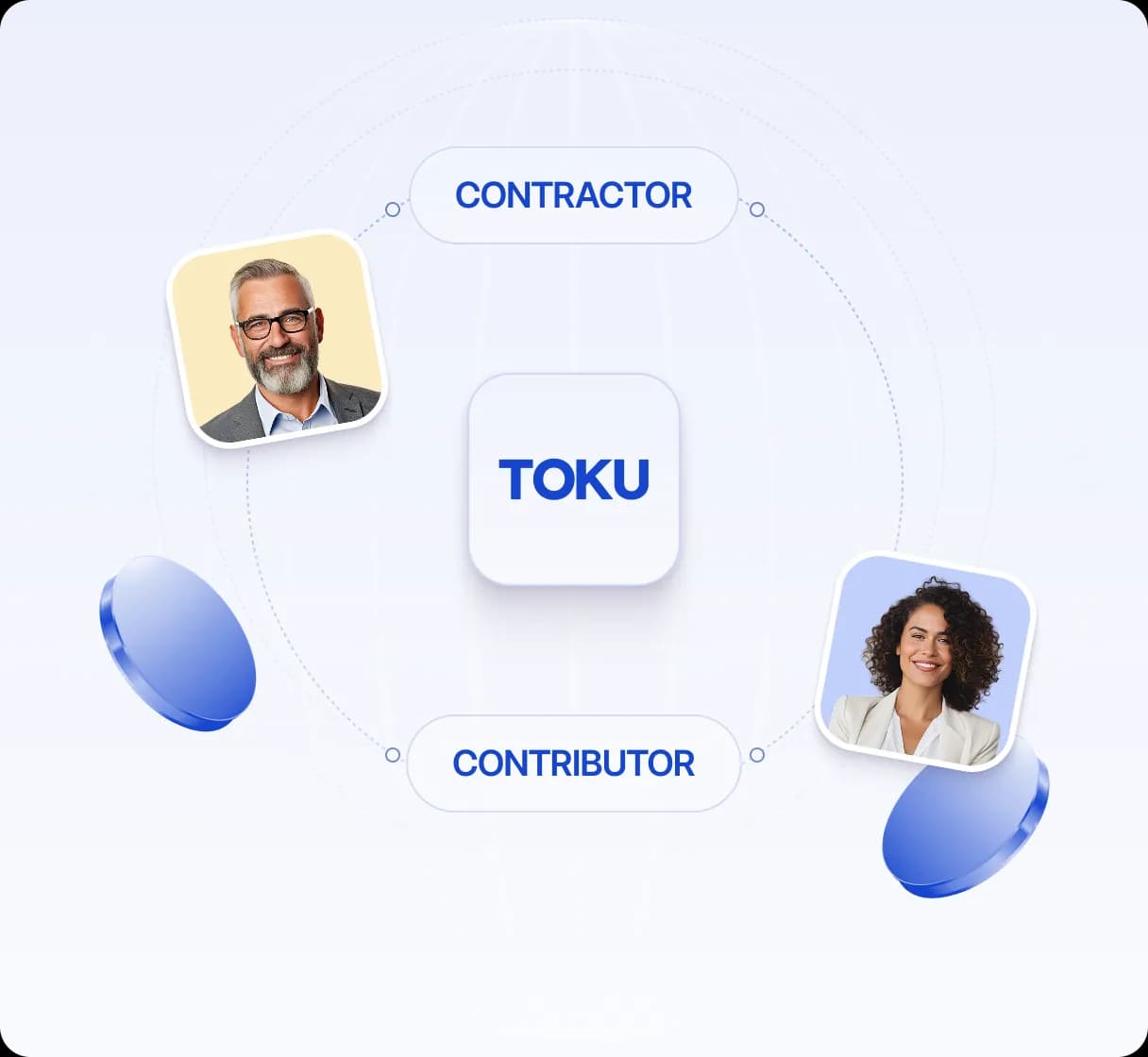
One platform moves money. The other takes on the employment.
Toku
Employment infrastructure
- Becomes the legal employer through a local entity, in 100+ countries
- Withholds and remits local tax, files the statutory returns
- US co-employment across all 50 states, plus agent of record
- Administers token grants, vesting and tokenized equity
Bitwage (Paystand)
A payout engine
- Moves money you have already decided to send
- Reaches nearly 200 countries, in more assets than Toku
- Sits inside Paystand's accounts payable and receivable network
- Does not describe employer of record services publicly

Paying someone correctly and employing someone correctly are two different jobs.
Funded either way, paid out either way
You
Fund payroll
From your treasury or bank, in whichever form you hold.
Fiat or stablecoins
Converts and employs
Handles the conversion in either direction, withholds local tax, files the returns.
Payroll float earns yield until the moment of disbursement
Stablecoins or local currency
Your team
Gets paid, then spends
Each worker picks what they receive, and can spend it on a Visa-enabled Rain Card.
Card issuance varies by country, so check availability for your team's locations. Yield is variable and not guaranteed; see the notice at the foot of this page.
April 2026
What changed when Paystand acquired Bitwage?
Bitwage still runs and the product did not disappear into the deal. What changed is the question a buyer is asking.
Before April 2026
A crypto payroll specialist
Bitwage sold paying people in cryptocurrency as its own product, to its own buyers.
After April 2026
The stablecoin rail inside a business payments platform
Paystand said it would use Bitwage's payout engine for settlement and foreign exchange across its accounts payable and receivable network, which it puts at more than one million businesses. The named new capabilities are mass payouts, vendor payments and supplier payments. Employment is not among them.
That is a category shift, not a criticism. Paystand is a serious operator and the deal made obvious sense for both sides.
Earn, pay, spend
Toku Balance
Yield: On
.20
+$488.20 earned this month
APY4.85%
CompoundsDaily
WithdrawAnytime
WithdrawSend
Earn
Yield on payroll float
Payroll is pre-funded, so capital sits idle between funding and payday. Toku earns yield on that float right up to the moment of disbursement.
Disclaimer: Yield is variable and not guaranteed. Past performance is not indicative of future results. Toku is not a bank, broker-dealer, or investment adviser. Funds held in yield-bearing instruments are not FDIC-insured and may lose value. Consult your financial adviser before making decisions based on yield projections.
Payroll Run · June 14, 2026
In progress · 10 of 12 settled
Jennifer ClarkEmployee US$5,200.00QueuedToku US Inc.
US$5,200.00QueuedToku US Inc.Ana SilvaEmployee BrazilR$15,200.00Settling…Toku Brasil Ltda.
BrazilR$15,200.00Settling…Toku Brasil Ltda.Rich WillsonContractor UK£4,800.00Settled · 5 minsDirect
UK£4,800.00Settled · 5 minsDirectJanm SinghContractor Germany£3,400.00Settled · 12/04/26Direct
Germany£3,400.00Settled · 12/04/26DirectYuki TanakaContractor Japan¥520,000Settled · 13/04/26Toku Japan KK
Japan¥520,000Settled · 13/04/26Toku Japan KK100+ Countries
Pay
Fast payouts in 100+ countries
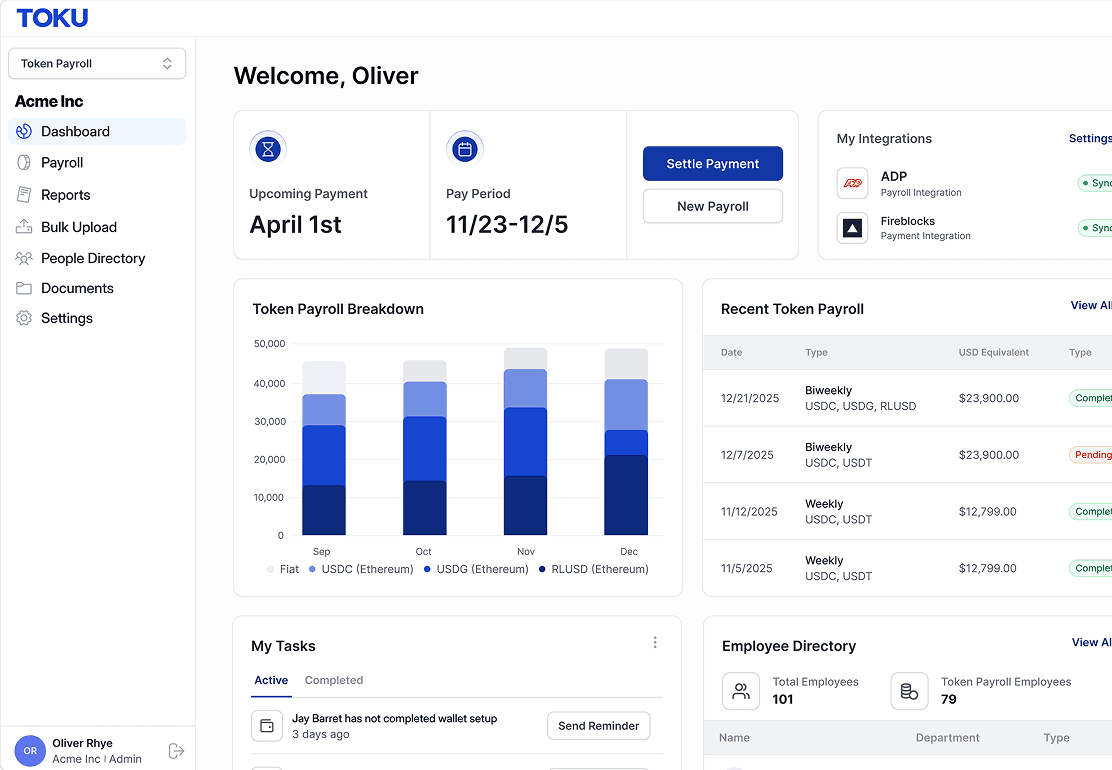
Fund payroll in fiat or stablecoins. Each worker receives stablecoins or their local currency. Toku handles the conversion in either direction.
Spent today
$341.68
 Spotify$12,000
 Uber$8,500
 Airbnb€280
Payment receivedToday
$3,688.25
Stablecoin
Payroll
Spend
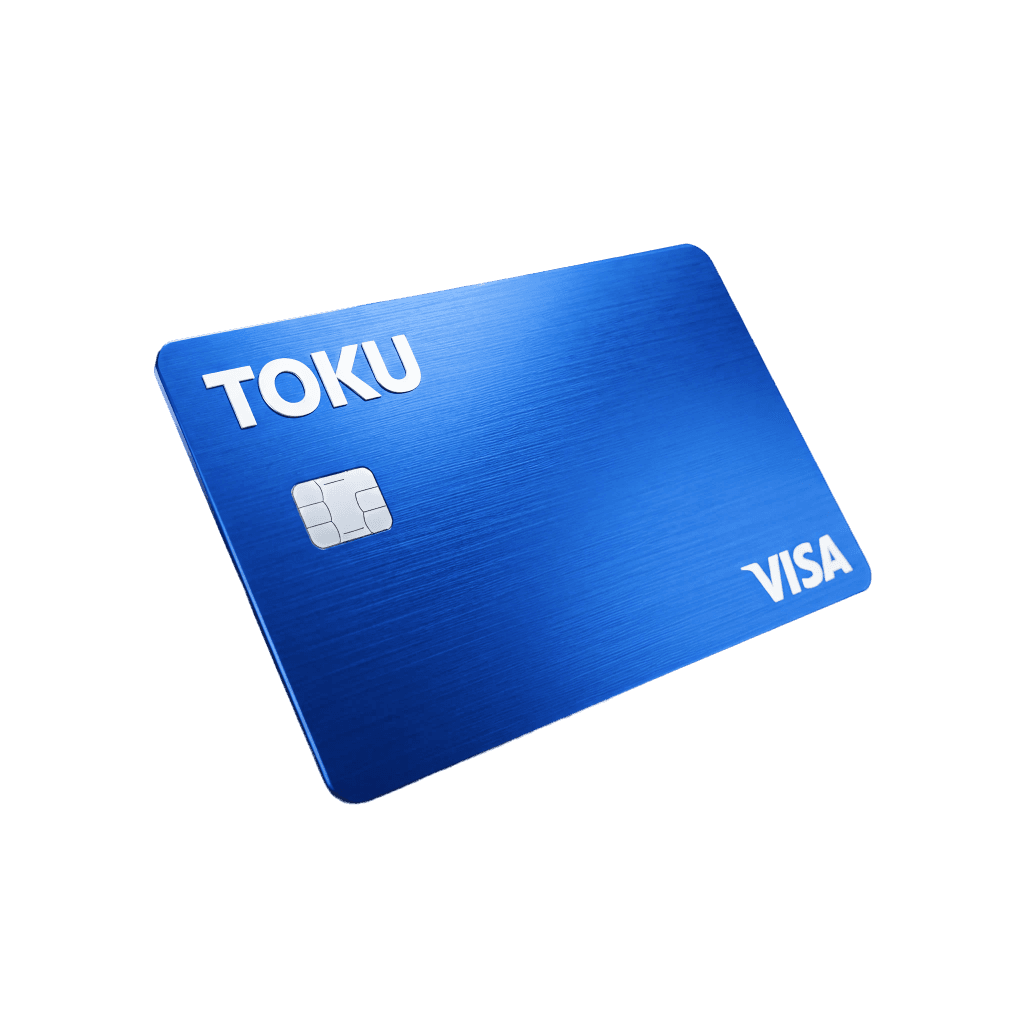
A Visa-enabled Rain Card
Recipients spend the balance directly rather than routing it to a local bank account first. Card issuance varies by country.
Side by side
How do the two compare, capability by capability?
| Capability | Toku | Bitwage (Paystand) |
|---|---|---|
| Employment | ||
| Employer of record | 100+ countries | Not published |
| US co-employment (PEO) | All 50 states | Not published |
| Agent of record | Yes | Not published |
| Local tax withholding and year-end filings | Yes | Not published |
| Compensation | ||
| Token grant vesting and withholding | Yes | Not published |
| Tokenized equities and RSUs | Yes | Not published |
| Yield earned on payroll float | Yes | Not published |
| Visa-enabled spending card for recipients | Rain Card | Not published |
| Payments | ||
| Fund payroll in fiat | Yes | Yes |
| Fund payroll in stablecoins | Yes | Yes |
| Worker paid in stablecoins | Yes | Yes |
| Worker paid in local currency | Yes | Yes |
| Worker paid in Bitcoin or Ethereum | Stablecoins and local currency | Yes |
| Countries covered | 100+ | Nearly 200 |
| Platform | ||
| Payout or payroll API | Headless payroll API | API-first payout engine |
| Accounts payable and receivable automation | Payroll only | Through Paystand |
“Not published” means Bitwage does not describe that capability on its website, and it did not appear in the April 2026 acquisition announcements, as checked on . It is not a statement that the capability is absent. Confirm current scope with each vendor before you sign anything.
Bitwage covers more countries than Toku does, and pays in more assets. If raw currency reach is your requirement, that is a real advantage and this page is not going to pretend otherwise.
What happens the first time you hire where you have no entity?
Through an employer of record, that person is employed under a local entity, on a local contract, with local contributions paid. Through a payout platform, that person is a contractor of your home entity, and the classification question sits on your side of the table.
For one early hire in a low-risk country, the contractor route is often fine. Once headcount grows, or the work starts to look like employment under local law, the structure matters more than the payment rail. These are the tests that decide it:
- IR35United Kingdom
- URSSAF subordination testsFrance
- ScheinselbständigkeitGermany
- AB5California
Consult your legal counsel on your specific arrangement.
Pricing
What does Toku cost?
$0
Foreign exchange markup
$0
Withdrawal fees
$0
Per-seat fees
Flat
Monthly price per worker
Pricing covers platform fees, employer costs and on-chain fees, itemised so you can see them. Stablecoin payroll, token payouts, vesting logic, tax-aware reporting and invoice settlement sit in the core platform, not behind a premium tier.
This page does not publish Bitwage's prices, because a stale competitor number is worse than no number. Read both pricing pages on the day you decide. Toku's is at toku.com/pricing.
Payroll software is judged on the day something goes wrong
Verified review
“With some providers, the experience can feel very ticket-based: you submit something through a dashboard, it gets assigned to whoever is available, and the level of expertise or urgency can vary. Toku feels much more relationship-driven.”
Verified reviewer, mid-market software company (51 to 1,000 employees)“Toku is a true partner for HR teams”5 out of 5 on G2, April 2026
The same reviewer ran both a global reduction in force and an acquisition through Toku inside a few months, and closed by recommending Toku to teams unhappy with their current employer of record.
Nobody wants to break payroll
It is the first objection Toku's team hears, and it is a fair one. Toku runs in parallel with your existing provider, so the move is a sequence of small verifiable steps.
Step 1
Move one batch
Pick a small group of workers and run them through Toku while your current provider keeps running everyone else.
Step 2
Confirm it landed
Check the payments arrived, the documents are right, and the reporting matches what your finance team expects.
Step 3
Move the rest
Migrate the remainder on your own timeline. Nobody misses a payment while you are deciding.
The call
Which platform fits your team?
It compresses into one question. Are you moving money, or are you employing people?
| If your team looks like this | The better fit |
|---|---|
| You employ people where you have no legal entity | Toku |
| You need local tax withholding and year-end filings | Toku |
| You pay any part of compensation in tokens or tokenized equity | Toku |
| You want payroll float to earn yield until disbursement | Toku |
| You want recipients to spend on a Visa-enabled card | Toku |
| You want the widest currency list, including Bitcoin | Bitwage (Paystand) |
| You already use Paystand for accounts payable | Bitwage (Paystand) |
| You need vendor and supplier payouts more than payroll | Bitwage (Paystand) |
Frequently asked questions
Yes. Paystand announced the acquisition of Bitwage in April 2026 for an undisclosed sum. Bitwage continues to operate. Paystand said it would use Bitwage's API-first payout engine to power stablecoin settlement and foreign exchange across its accounts receivable and accounts payable network, including mass payouts and vendor payments.
Bitwage does not describe employer of record services on its website, and none appeared in the April 2026 acquisition announcements. An employer of record becomes the legal employer of your worker through a local entity and takes on local payroll, withholding and filings. Toku provides employer of record in 100+ countries. Confirm current scope directly with each vendor.
Toku's payroll stack settles in stablecoins and local currency. Companies fund payroll in fiat or stablecoins, and each worker chooses which of the two they receive. Toku handles the conversion in either direction. Bitwage's published asset list is wider and includes Bitcoin and Ethereum, so a team that specifically needs those assets should compare on that basis.
Toku publishes coverage in 100+ countries for employer of record and global payroll. Bitwage publishes coverage in nearly 200 countries for payments. The two numbers are not measuring the same thing: paying into a country is a smaller undertaking than employing someone in it compliantly. Check the specific country list for your team with each vendor.
Yes. Toku runs in parallel, so you can migrate one batch of workers, confirm the payments landed, then move the rest at your own pace. There is no requirement to switch everyone at once, and no gap in pay while you evaluate.
Yes. Toku administers token grants, including vesting schedules, per-jurisdiction withholding and audit-ready grant reporting, alongside tokenized equities and RSUs. Toku also runs a free calculator at tokencomp.toku.com that shows after-tax outcomes by jurisdiction, with no signup required. Bitwage does not describe token grant administration on its website.
Payroll is pre-funded, so capital sits between funding and disbursement. Toku earns yield on that float until the moment of disbursement, which turns idle payroll capital into a return. Bitwage does not describe yield on balances. Yield is variable and not guaranteed, and the disclosure below applies.

Ready to see what your payroll actually costs?
If your team is employed in more than one country, or any part of compensation is in tokens, the payment rail is not the decision. The employment layer underneath it is.
Read more on how settlement works, yield on payroll float, the Rain Card, tokenized equities and the headless payroll API.
Toku provides compliance infrastructure and is not a law firm. This content is for informational purposes only and does not constitute legal or tax advice. Consult your legal counsel for jurisdiction-specific guidance.
Yield is variable and not guaranteed. Past performance is not indicative of future results. Toku is not a bank, broker-dealer, or investment adviser. Funds held in yield-bearing instruments are not FDIC-insured and may lose value. Consult your financial adviser before making decisions based on yield projections.
Competitor capabilities described on this page are based on publicly available product information as of . Verify current vendor scope and pricing independently.