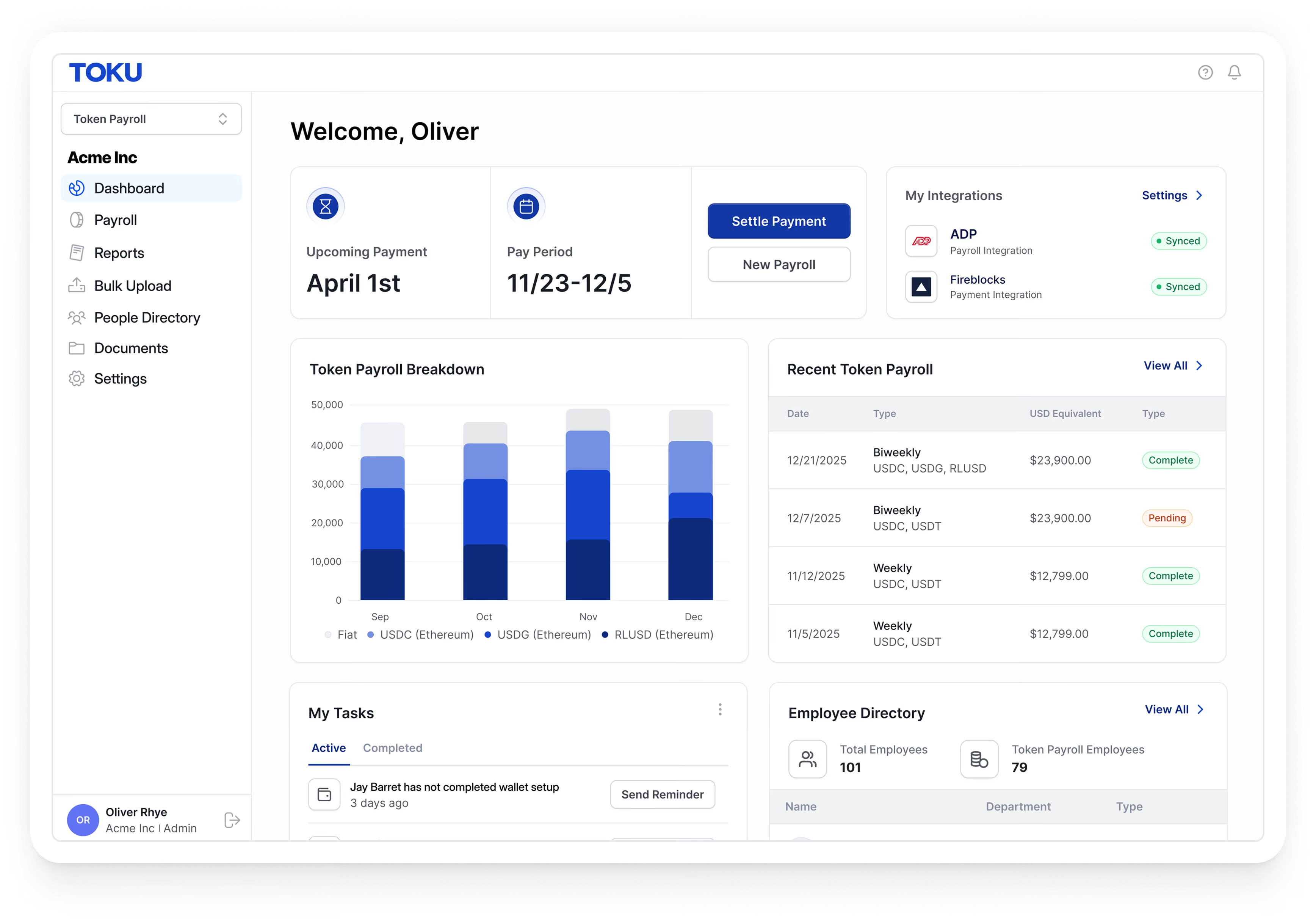
.avif)
Pay funded traders fast. Keep them.
Toku is the payout platform for prop firms. Fund in dollars or supported currencies. Traders get paid in stablecoins. Separately, their balance can power a Rain Visa card, accepted wherever Visa is accepted. KYC, tax forms, and compliance handled in the flow.
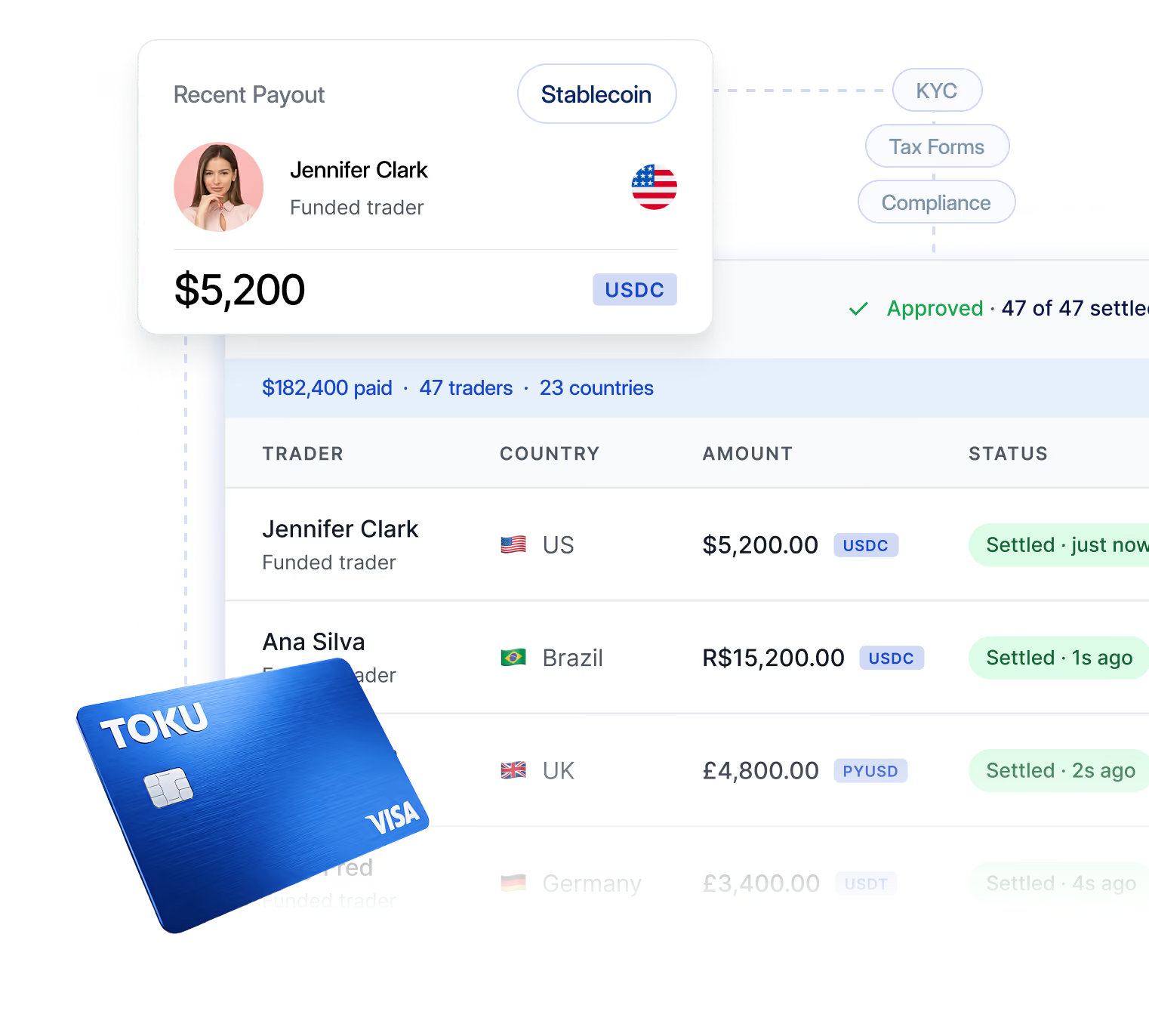
Fast
Approve a payout and it settles fast once the trader is verified.
Flat platform fee
You pay the same whether you pay $50k or $5M.
Handled in the flow
KYC, contracts, and tax docs before money moves - ask for the country matrix.
Payouts are your product now.
Traders choose firms on payout speed and reliability, and aggregator sites publish the scoreboard. A slow or eroded payout isn't a back-office detail, it's churn.
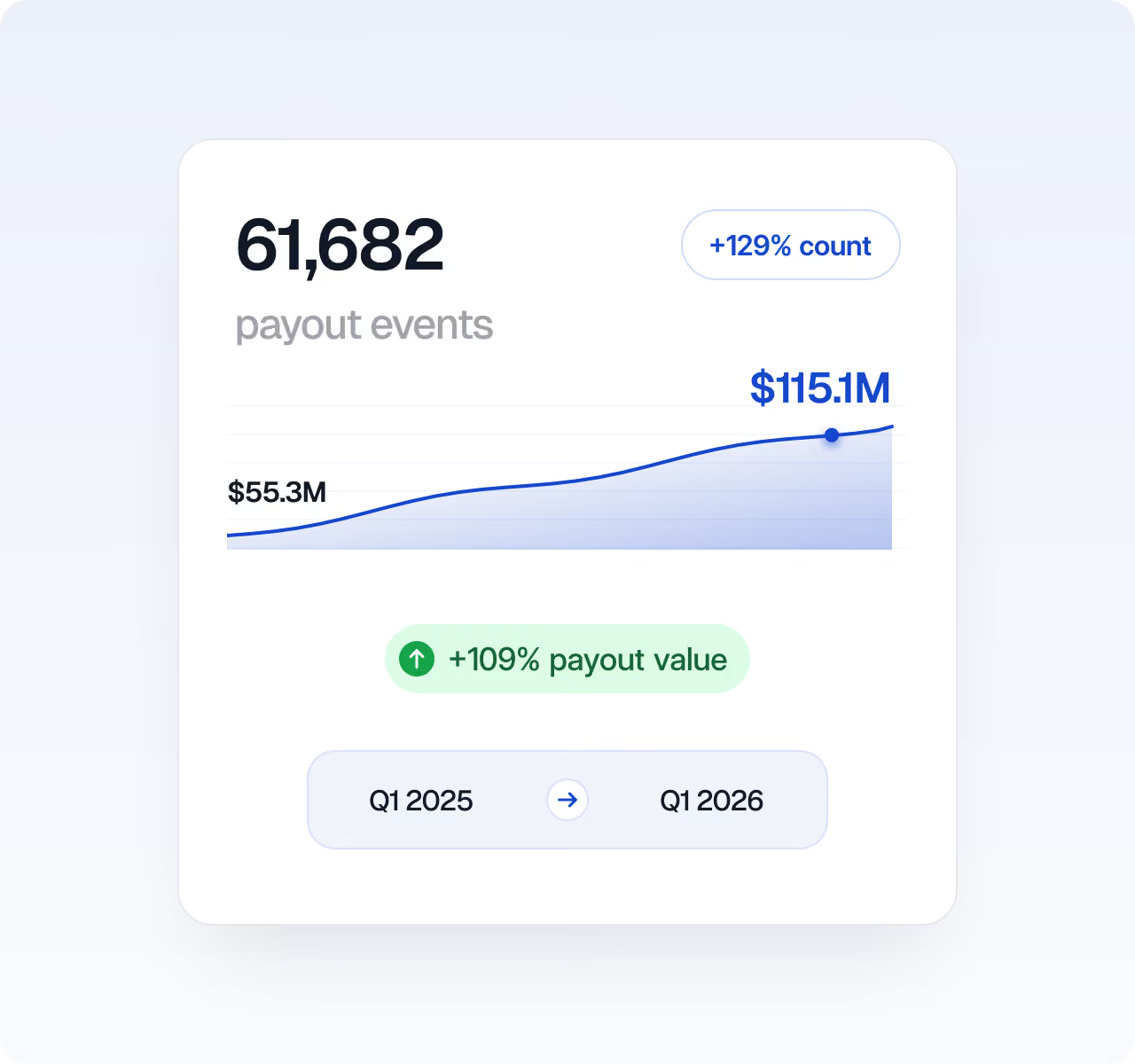
The volume moving through funded-trader payouts more than doubled in a year. Across the ten largest prop firms, crypto payouts tracked on public blockchains rose from $55.3M in Q1 2025 to $115.1M in Q1 2026 - a 109% increase in payout value across 61,682 payout events, a 129% jump in the number of payouts. The firms winning that volume compete on how the money lands: how fast, how reliably, and how little erodes on the way.
Toku is built for that competition - pay funded traders fast, with compliance handled in the flow, and keep them from leaving over a payout experience.
You approve the payout. Toku handles the rest.
One compliant flow from approval to a trader who's paid - no second system to run.
Approve a trader's payout request through the platform or API.
KYC, the contractor agreement, and tax documentation run in the flow. The trader onboards once.
Once the trader is verified, the payout settles fast to their balance as stablecoins.
The trader can hold the stablecoin balance — or, separately, it can power a Rain Visa card, accepted wherever Visa is accepted.
What a payout platform actually has to solve.
What traders get
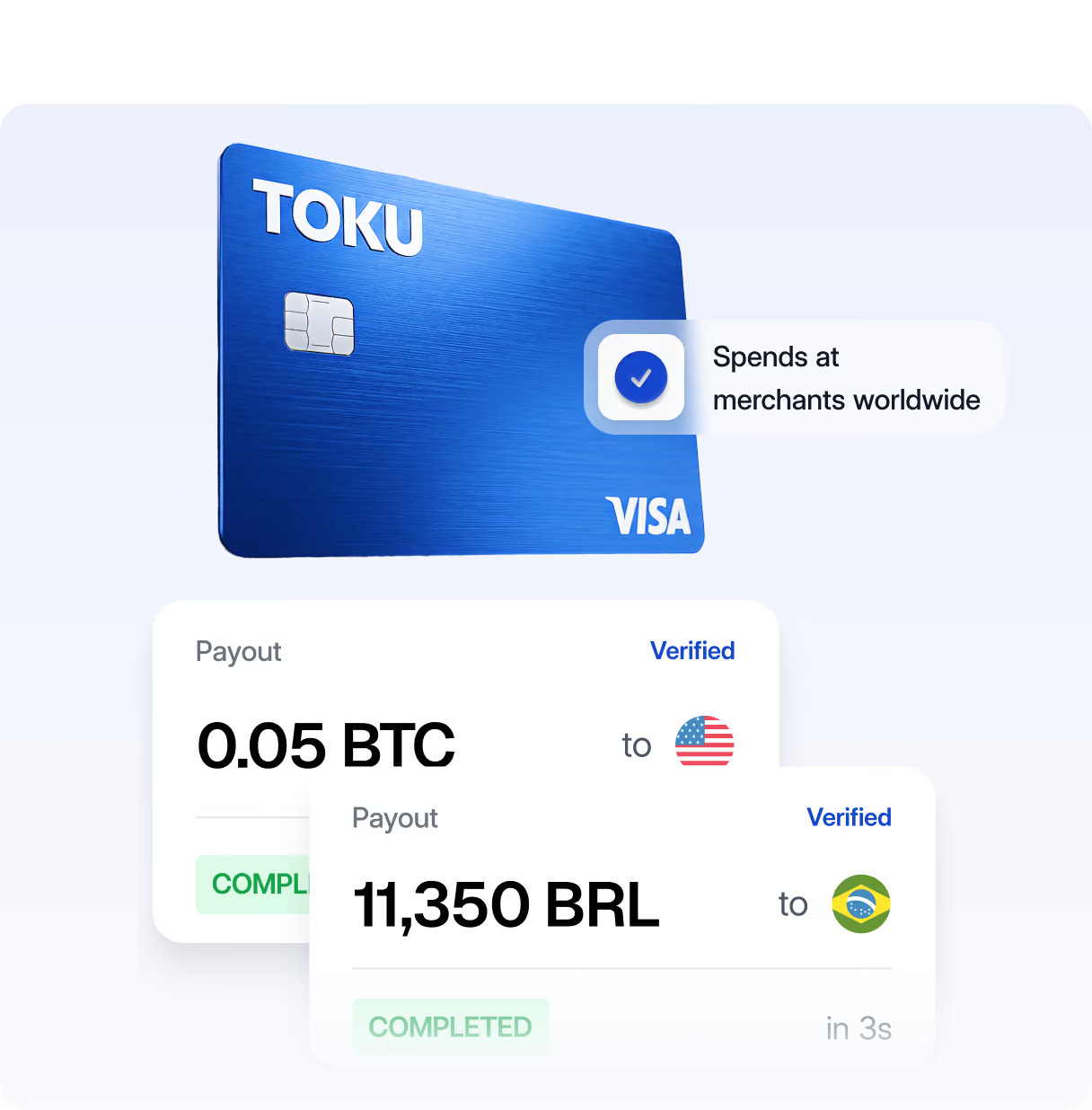
Paid in stablecoins, fast, once verified.
The trader can hold the stablecoin balance or (separately), it can power a Rain Visa card, accepted wherever Visa is accepted.
No local bank required.
What your ops team gets
KYC run during the evaluation phase- not at the first payout, where it stalls.
W-9 and W-8BEN collected and validated before money moves, with the 2026 threshold rules tracked.
Batch payouts. and clean exports for filings.
.avif)
.avif)
What your CFO gets
A flat platform fee with itemized charges, predictable as payout volume grows.
Transparent coverage - ask for the written country matrix.
Documented compliance you can hand to an auditor.
Switching providers is a re-KYC project, not a rip-and-replace.
Nobody moves a live trader base overnight. The gating item is re-running KYC - plan the switch around it and there's no gap in payouts.
Move traders in cohorts
Start with the gaps
Run both in parallel
Everything operators and traders need to know.



Prop firm payouts FAQ
When your firm approves a payout, the trader receives stablecoins in their Toku balance, fast, once they're verified. They can hold the balance — or, separately, it can power a Rain Visa card, accepted wherever Visa is accepted.
No. Payouts arrive as stablecoins the trader can hold. Separately, the balance can power a Rain Visa card, accepted wherever Visa is accepted, online or in person — no local bank account required.
Coverage can fail on three layers: licensing (the provider can't legally serve a country or US state), banking (the local off-ramp is unreliable or absent), and sanctions or KYC screening at the individual level. A provider's country list is a sales document; its restriction list is the operational one. Ask any provider, Toku included, for the written country and state matrix before you commit.
Yes. Payouts are reportable income in the trader's country whether or not a form is issued. For US traders, the 1099 reporting threshold is $2,000 for payments made on or after January 1, 2026 - but income below that line is still taxable. See the trader tax guide for detail, and consult a tax professional for your situation.